Research

RESEARCH

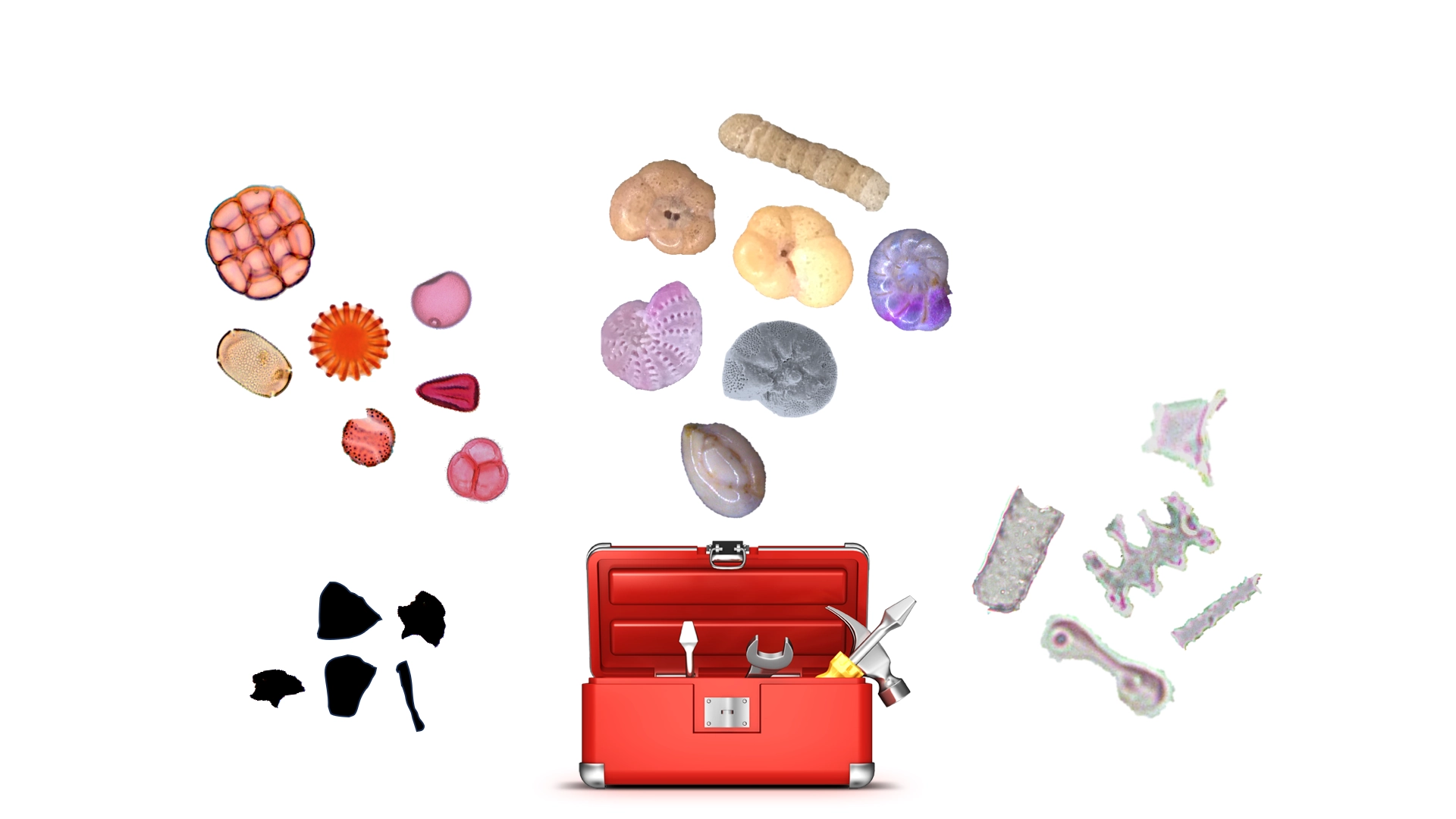
Our research centres on the theme of global environmental change, with a focus on past environments as the key to understanding long-term change. Much of this understanding is achieved from studying fossilised plant and animal remains preserved within sedimentary environments such as wetlands. For example, tiny fossilised pollen grains give us a microscopic sample of what surrounding vegetation may have looked like. These remains tell us which organisms may have lived in that environment at the time of deposition, and hence give us a snapshot of what environmental conditions prevailed at that time. Because sedimentary records can build up continuously over time, we can use these methods build a continuous record along a sedimentary profile or core sample. We use this approach to study past ecosystem processes and dynamics, to understand ecosystem interactions with human populations through time, and to reconstruct a diverse array of former environmental conditions such as moisture availability, temperature and sea level. To achieve this we work closely with multidisciplinary teams of geologists, archaeologists and geochemists to reconstruct complex environmental histories over centennial to millennial timeframes. Sediment cores preserve a wealth of information on past ecosystems and environments, and we use the palaeoecological toolbox to piece together available evidence and understand long term climate and environmental change.

Charcoal

Microscopic and macroscopic charcoal remains: Charcoal fragments preserved in sediment deposits tell us about past fire regimes. Often these are recorded alongside pollen so that changes in vegetation and fire can be considered in tandem.

Pollen

Pollen grains: Fossil pollen grains are like kryptonite, being extremely resistant to decay. They are also highly abundant in the environment, as anyone with hayfever will tell you. As you can see here, pollen comes in a wonderful array of shapes and sizes and since we can assign each pollen type to a plant group, these fossils provide a snapshot of the surrounding vegetation from the time at which they were deposited.

Foraminifera

Foraminifera or ‘forams’: Forams are single celled marine organisms that build their shells, or ‘tests’, from cemented sand, or calcite. In an intertidal estuarine setting, such as a mangrove or salt marsh, these organisms are adapted to in different parts of the tidal zone, where they live in the top few centimetres of the sediment. Through an understanding of these distribution patterns relative to the modern environment, foram test remains can be used as indicators of changing sea level through time. Fun fact – by staining fresh foram samples with Rose Bengal, the living chambers of the foram cytoplasm will be stained pink, helping scientists distinguish which forams were living or dead at the time of collection.

Phytoliths

Phytoliths: Phytoliths are tiny plant microfossil remains comprised of silica, that can help identify which plants occurred in an environment. They also provide complementary information for taxa such as grasses where pollen is not a very useful indicator.

The strength of the palaeoecological approach lies in combining several independent proxy techniques, these help us build a holistic picture of past climates and environments

We have two main research themes

Understanding long-term sea-level variability using estuarine sediments

Exploring vegetation and fire history using wetland sediments

Current Research

Past vegetation and fire history 

Our research uses sediment records from wetlands to understand past environmental change. Pollen grains are used as a proxy indicator…

Past sea levels 

This research uses single celled marine organisms called foraminifera, or ‘forams’, to understand how sea levels have changed through time.…